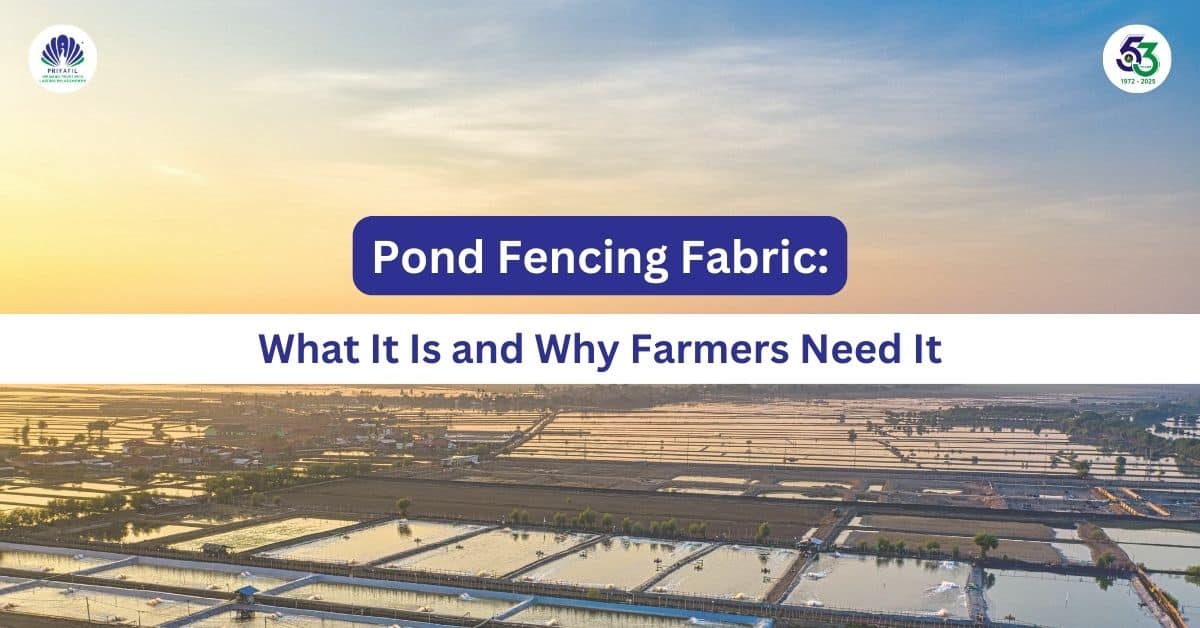
Fish farming is growing quickly in India, and for many farmers, it has become a steady source of income. But along with the benefits, there are also everyday problems like animals entering the pond, fish escaping during rains, and birds picking up young fish. These issues can reduce the final harvest and directly affect a farmer’s earnings.
One practical solution to protect ponds is to use pond fencing fabric. It is affordable, easy to set up, and helps farmers avoid unnecessary losses. Since it is light, strong, and long-lasting, many farmers now prefer this fabric over traditional fencing.
This fabric is not only useful for commercial fish farms. Even small pond owners, village households, and farmers using tanks or small water bodies for fish culture can benefit from it. With proper fencing, farmers can manage their ponds better and avoid unexpected damage.
What Is Pond Fencing Fabric?
Pond fencing fabric is made from a tough woven mesh. It works like a boundary around the pond, similar to a fence. Although it feels light in the hand, it does not tear easily.
Its main job is simple:
To keep the fish inside the pond, and to keep animals and unwanted visitors out.
It also reduces the amount of dust, waste, or leaves that blow into the water. Farmers usually fix the fabric using poles or strong sticks. Once placed correctly, it stays stable for several seasons without major repairs. It is not damaged easily due to changes in weather. It can withstand sunlight, winds, and also rain.
Why Pond Fencing Fabric Matters for Farmers
Stops animals and birds from disturbing the pond
Cattle, goats, and even stray animals often come close to ponds. They can damage the banks or mix mud into the water. Birds like kingfishers also eat young fish. Fencing fabric creates a clear barrier and helps prevent these problems.
Keeps fish from escaping during rainfall
When the water level rises during monsoons, fish may jump out or swim out with the flowing water. This is one of the biggest losses a farmer can face. Fencing fabric helps hold fish inside, even when the pond is full.
Reduces fish loss and increases profit
When the pond is protected, fish grow better and survival rates improve. For small and medium farmers, even a small increase in yield can make a big difference to their income.
Key Features of Pond Fencing Fabric
Strong but easy to handle
The fabric can withstand a lot of tension (due to disturbance caused by animal movement, and weather changes) and will not get damaged with daily use. It is also light enough for farmers to carry and install without help. Once set properly, it remains steady and does not sag quickly.
Suitable for all weather conditions
Unlike metal fencing that rusts or wooden fencing that rots, this fabric performs well in every season. Heat, rain, and wind do not weaken it, making it a reliable option throughout the year.
Simple to monitor and maintain
Because the mesh is see-through, farmers can easily check the pond’s water level, fish activity, or signs of danger. Cleaning is also simple, washing with water is usually enough. Small damages can be fixed without replacing the whole fence.
Lower investment compared to other types of fencing
Building a brick or metal fence is expensive and takes more labour. Pond fencing fabric provides good protection at a much lower cost. For large ponds, this saves a lot of money.
Available in many sizes and colours
Farmers can choose the fabric size based on their pond’s shape and requirement. Curved or uneven ponds can also be fenced easily. Colours like blue, green, black, or white give farmers visibility choices depending on their surroundings.
How to Choose the Right Pond Fencing Fabric
Measure your pond
A correct measurement helps farmers buy the right length of fabric and avoid wastage.
Pick the right weight and width
Small ponds can manage with lighter fabric. Larger ponds need stronger or wider fabric so the fence stays steady in wind and animal movement. This also increases the life of the fence.
Choose a colour based on your needs
Blue or black blends with the pond water. White is easy to spot from far. Some colours may also help reduce insects.
Select fabric suitable for your climate
For areas with harsh sunlight, we should choose UV-protected fabric. Windy regions may need thicker material. Choosing the right type of fabric helps reduce replacement costs later.
Conclusion
Pond fencing fabric is a simple and effective way for farmers to protect their ponds and increase their fish yield. It is affordable, long-lasting, and works well in all seasons. With easy installation and low maintenance, it has become one of the smartest investments for fish farmers across India.