Introduction
In India, fish is not just food. It’s part of our life. Whether you stay in a village, a small town, or a city, fish is something most people enjoy eating. It gives strength, keeps you healthy, and has lots of protein. For many families, fish farming is also how they earn money and take care of their homes.
But today, the demand for fish is going up every year. The rivers and seas can’t give enough fish anymore. Catching fish from natural water is not enough to feed everyone. So farmers are turning to fish farming, also called aquaculture.
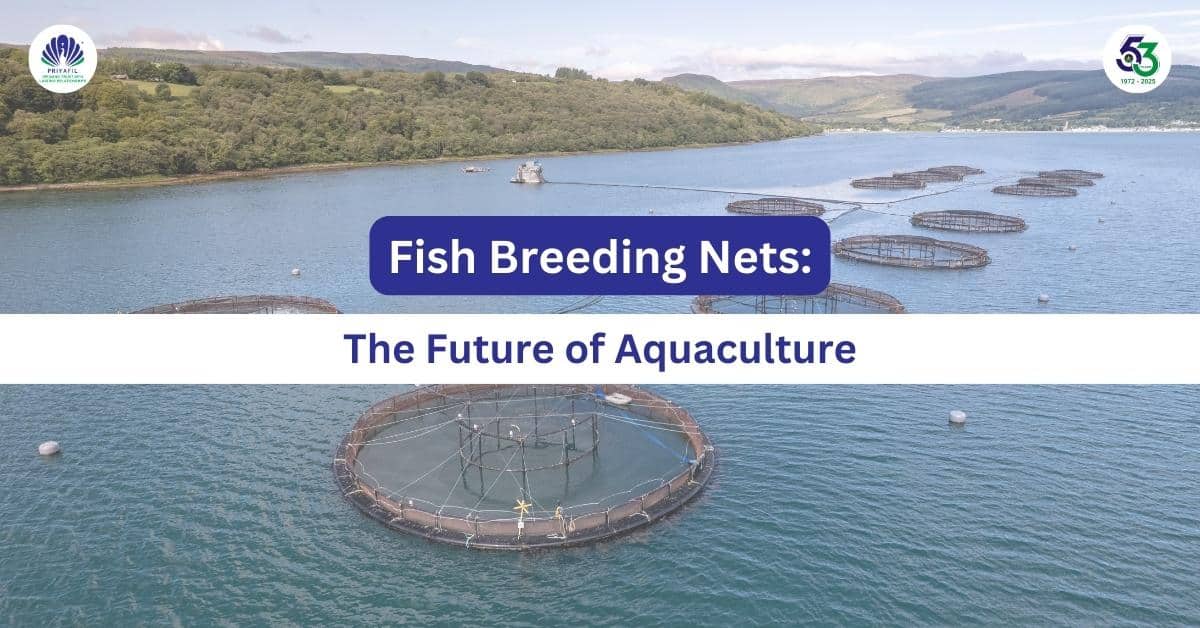
In this type of farming, farmers use fish breeding nets to keep the fish in one place and protect them from harm. Earlier, these nets were simple and had many problems. But now, with new technology, they’ve become stronger, safer, and better for both farmers and nature.
Let’s talk about how these new nets are changing the future of fish farming in India.
Problems with Old Nets
Even though fish farming has grown a lot, many farmers still use old nets. These old nets give many troubles and make it harder to grow healthy fish.
Dirt and Algae on Nets
When nets stay in water for a long time, mud, algae, and small plants start growing on them. This stops water from flowing properly. The fish don’t get enough oxygen and become weak or fall sick. Farmers have to clean the nets again and again. This takes time and money. Some people use chemicals to clean them, which is not safe for water or other fish.
Fish Escaping from Nets
Old nets tear easily. During storms or heavy rains, they break, and fish swim away. When this happens, farmers lose a lot of money, especially if they are growing expensive fish like seabass.
Plastic Waste
Old nets are mostly made from plastic, like nylon. When they break or get old, people throw them into the water. These nets don’t melt or disappear, they stay in the sea for many years. They trap fish, turtles, and other animals. This is one big reason for ocean pollution.
Bad Water Quality
Old nets don’t help farmers control the quality of water. They can’t check oxygen levels, sunlight, or temperature. When the water is not clean or healthy, the fish don’t grow properly and fall sick more often.
All these issues show that farmers need better, smarter nets to make their work easier and safer.
New Technology in Fish Breeding Nets
Now, new technology is helping farmers solve these problems. The latest fish breeding nets are strong, smart, and friendly to nature.
Strong and Safe Materials
Today’s nets are made with better materials like HDPE (a type of strong plastic) or coated nylon. These last for many years and don’t get dirty easily. Some nets are even made from materials that break down in water naturally. That means, if they get lost, they don’t pollute the sea.
Smart Nets with Sensors
Some new nets come with tiny machines called sensors. These sensors can check how warm the water is, how much oxygen is there, and how the fish are moving. Farmers can see all this information on their mobile phones. If the oxygen becomes low or the water becomes dirty, they get a message and can fix it quickly.
Easy to Clean Nets
The latest nets have a special coating that stops algae and dirt from sticking. Some even clean themselves using small vibrations. So farmers don’t need to use chemicals or spend hours washing the nets.
All these new features make fish farming more simple, clean, and profitable for farmers.
Sustainability and Environment
These new nets are not just good for farmers, they are also good for nature.
The benefits of using these nets are as follows:
- No Need for Chemical Use: Old nets needed chemical cleaning, but new ones don’t. They are made from safe materials that don’t harm fish or water.
- Lesser number of Fish Escaping: Stronger nets stop fish from running away. This keeps natural fish in rivers and seas safe.
- Lesser Pollution Due to Plastic: Modern nets can be reused or recycled. Some are biodegradable, which means they melt away naturally over time.
- Lesser Waste of Feed and Energy: With smart systems, farmers can feed the fish only when needed. This saves food, electricity, and money.
By using these new eco-friendly nets, farmers are helping both their business and the environment.
How New Nets Help Farmers and Villages
These modern nets do more than help fish, they help people too.
Since the nets are strong and last long, farmers don’t have to buy new ones every year. They save money and work with less stress. When fish grow faster and healthier, farmers earn more income. Smart nets also stop big losses caused by disease or fish escaping.
Fish farming also creates jobs for people in nearby villages. With new technology coming in, many young people can learn new skills like net repair, water testing, or computer monitoring. They can earn a good living without leaving their homes.
These small changes can help entire villages grow stronger and more independent.
Conclusion
Fish breeding nets may look small, but they play a big part in successful fish farming. The new nets are not only stronger, they are smarter and more caring towards nature. They help farmers save money, protect water, and grow more fish safely.
The future of fish farming is not about catching more fish from the sea. It’s about growing fish in a clean, smart, and natural way. With these modern breeding nets, farmers can earn better, keep the ocean safe, and secure their family’s future.
The sea has always taken care of us. Now, it’s time we take care of it. With smart and sustainable fish breeding nets, both farmers and nature can grow together, side by side, strong and healthy.